


Recent data indicates a promising shift in Indonesia’s pasar tenaga kerja, marked by a decline in unemployment and a shrinking informal sector. These improvements are not merely statistical anomalies; they represent vital indicators of a strengthening national economic structure. To ensure this positive momentum is sustained and even accelerated, the Mandiri Institute emphasizes the critical need for a deeper alignment between educational outputs and industry demands—often referred to as ‘link and match’. Our observation suggests that fostering this synergy is paramount for enhancing worker productivity and ensuring sustainable wage growth across the archipelago.
Unpacking Indonesia’s Labor Market Resilience
The latest figures from Mandiri Institute’s studies paint an encouraging picture. Indonesia’s Open Unemployment Rate (TPT) consistently decreased, reaching 4.85 percent in August 2025—a notable six basis points improvement compared to the previous year. Concurrently, the proportion of informal workers saw a slight but significant reduction, falling to 57.8 percent in 2025 from 58 percent in 2024. As Bank Mandiri’s Chief Economist, Andry Asmoro, highlighted, this twin decline signals a labor market that is moving towards a healthier and more resilient state. Our analysis suggests that these trends are a testament to concerted efforts in policy implementation and robust economic activities, driving a shift towards more formal and stable employment opportunities.
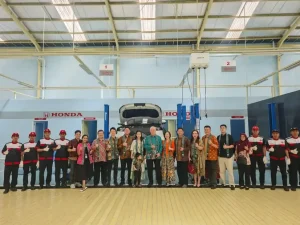
Indeed, Mandiri Institute emphasizes that this ‘link and match’ approach is crucial for improving Indonesia’s labor market, a sentiment captured in their recent documentation. A healthier labor market, characterized by lower unemployment and increased formalization, directly contributes to enhanced economic stability. It not only boosts consumer spending capacity but also expands the tax base, supporting national development programs. We observe that this shift is indicative of an economy gradually improving the quality of work available, which ultimately benefits a wider segment of the workforce through better job security and benefits.
The Persistent Challenge of Mismatch: A Deeper Dive
Despite these positive indicators, Mandiri Institute identifies a significant hurdle: the persistent mismatch between educational attainment and the requirements of various jobs. Based on analysis of the Central Statistics Agency’s (BPS) National Labor Force Survey (Sakernas) data, one in two Indonesian workers experienced a ‘vertical mismatch’ in 2025. This means a substantial 50 percent of the workforce is either over-qualified or under-qualified for their current roles. The challenge is particularly acute among the ‘undereducated’ or ‘unqualified’ segment, which constitutes 32 percent of total workers, correlating with the 33 percent of the labor force holding an elementary school education or lower.
This challenge isn’t merely statistical; it directly impacts individual career progression and national productivity. Historically, such discrepancies can hinder innovation, suppress wage growth, and lead to underutilization of human capital. For our audience, this underscores the importance of not just securing a job, but one that aligns with their skills and aspirations. A widespread mismatch prevents the economy from fully leveraging its human resources, potentially stifling Indonesia’s competitiveness on the global stage. This demands a strategic re-evaluation of how education prepares individuals for the realities of the professional world.
Sectoral Nuances and Strategic Policy Imperatives
Examining the data further, we see distinct patterns of mismatch across different sectors. The highest rates are observed in sectors such as water supply, where workers are often ‘overeducated’ for available roles, and agriculture, which predominantly employs ‘undereducated’ individuals. Conversely, sectors like government administration and financial services tend to attract a relatively larger proportion of ‘overeducated’ workers, often driven by the perceived stability and incentives of formal employment. These disparities suggest that a one-size-fits-all solution is insufficient; instead, tailored approaches are needed to address the unique skill gaps and employment dynamics within each industry.
In response, Mandiri Institute advocates for an integrated policy framework centered on quality job creation. This necessitates a robust synergy among educational institutions, industries, and the government. Recommendations include strengthening the ‘link and match’ framework, expanding relevant upskilling and reskilling programs tailored to evolving sector needs, and implementing targeted interventions in priority areas. We see these recommendations as vital steps towards creating a future-ready workforce that can adapt to rapid economic changes. Learn more about Indonesia’s workforce development strategies and how they impact job readiness.
Charting a Course for Inclusive and Sustainable Growth
As a strategic partner to the government, Bank Mandiri is actively contributing to these efforts. Through various competency development initiatives, including participation in the National Internship Program and collaborative projects with educational institutions, the bank aims to cultivate talent that is precisely aligned with industry requirements. The institution’s economists consistently emphasize the importance of data-driven policy consolidation and the fostering of a collaborative ecosystem among all stakeholders. These actions are deemed crucial for refining Indonesia’s labor market landscape and propelling inclusive, competitive, and sustainable economic growth.
Ultimately, the trajectory of Indonesia’s labor market hinges on continued investment in human capital and a dynamic alignment between education and future industry demands. We believe this collective effort, encompassing government initiatives, private sector participation, and individual commitment to lifelong learning, will be instrumental. This proactive approach ensures that young professionals are equipped with the skills needed to thrive, securing a prosperous and resilient future for Indonesia’s economy. For a deeper dive into factors influencing national economic health, explore our archives.